

Laura Davis, Ph.D., 海角原创 Professor Emerita of English, was recently named a 鈥溾�� through the Women鈥檚 History Project of the Summit County Historical Society. Established in the early 1980s, this award recognizes women in the community for their exceptional contributions.
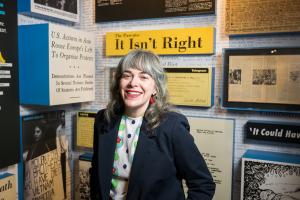
Alison Caplan, director of 海角原创鈥檚 May 4 Visitors Center, nominated Davis for the honor. She said that the Summit County Historical Society recognizes that the events of May 4, 1970, in Kent were more than a Summit County story. 鈥淚t obviously is something that has impacted every aspect of our region and the globe,鈥� Caplan said.
Caplan said that after working as the director of the May 4 Visitors Center for two-and-a-half years, 鈥測ou really understand the kind of perseverance that digging into the story of May 4 鈥� and getting things done 鈥� requires, especially on a university campus and in academia. It takes a special kind of person.鈥�
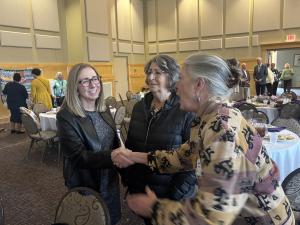
鈥淎 special kind of person,鈥� and perseverance. Caplan said that in choosing a Woman of the Year honoree, the historical society considers different attributes like initiative, pioneering, inspiration, imagination, faith, creativity and perseverance. 鈥淚t鈥檚 the perseverance required to build something like this,鈥� she said. 鈥淚t鈥檚 part of the May 4 story, the national historic site, the outdoor tour, the steps taken over 40 years to keep the story alive. That kind of perseverance.
鈥淟aura experienced May 4 firsthand but also has her career roots here and was the person who was able to accomplish this along with Carole,鈥� Caplan said. Carole Barbato, Ph.D., was an educator and researcher in communication studies at 海角原创 at East Liverpool. She and Davis were co-founders of the May 4 Visitors Center in 2012. Barbato passed away in 2014.
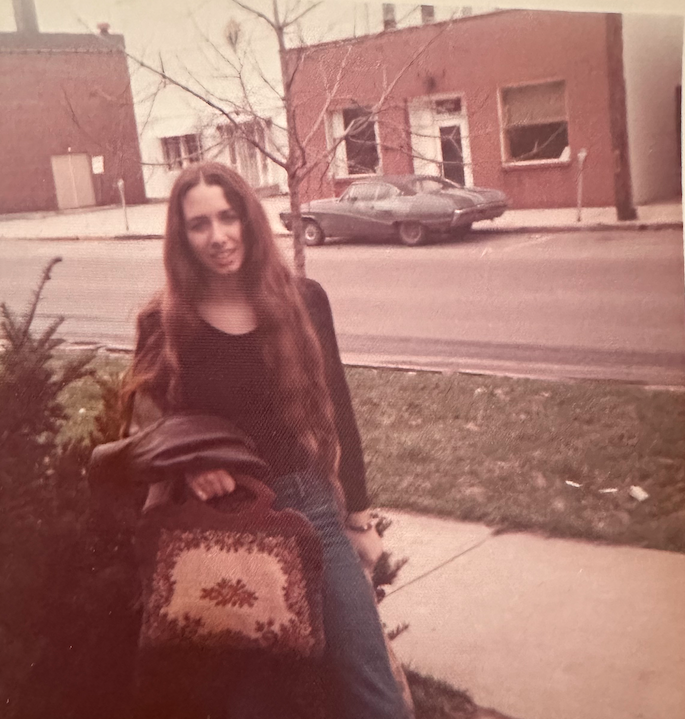
Fall 1969: A 鈥榁ery Shy鈥� First-Year Student Arrives at 海角原创
Arriving on the Kent Campus for the fall semester in late September 1969 was a defining moment for Davis. She was 17 years old and described herself as 鈥渧ery shy鈥� and 鈥渧ery quiet.鈥� But Davis saw her transition from high school to college as 鈥渢he beginning of finding a way toward doing something important, because that鈥檚 what I was really looking for.鈥�
She said, 鈥淚 wanted to be here because I wanted to be with people who were concerned with things that mattered. That鈥檚 what I thought.鈥�
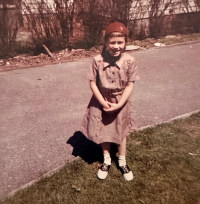
Davis said that even though she was shy and quiet, 鈥淚 did have the kind of alertness and was searching for something, searching for meaning and trying to learn more about the Vietnam War.鈥� While growing up in South Euclid/Lyndhurst, Ohio, she said that before coming to 海角原创, she had closely followed news about the war and the civil rights movement, reading anything she could find in the newspapers that came to her home and LIFE Magazine. 鈥淚 wanted to learn the things that I needed to know about that so I could understand it, know what I was talking about, and be clear on 鈥榳hy鈥� if somebody asked me why I was opposed to the war,鈥� Davis said. 鈥淚 wanted to be able to explain that.鈥�
Remembering Her First Protest
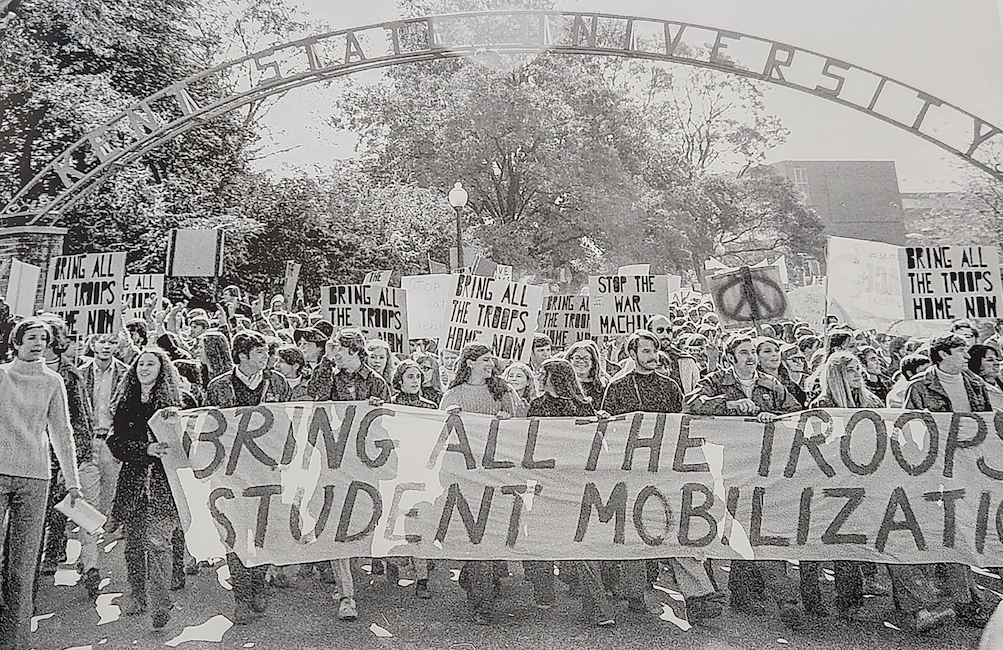
When she speaks with people about getting involved and becoming active in their community, she encourages people to 鈥渢ake that first step.鈥� Davis鈥� 鈥渇irst step鈥� came shortly after she arrived on campus when she heard about a planned march that was going to gather on the Commons behind what was then the Student Union (now Ritchie Hall).
"The Moratorium to End the War in Vietnam" march in Kent on Oct. 15, 1969, was in response to a call for nationwide demonstrations and "teach-in" by the Vietnam Moratorium Committee.
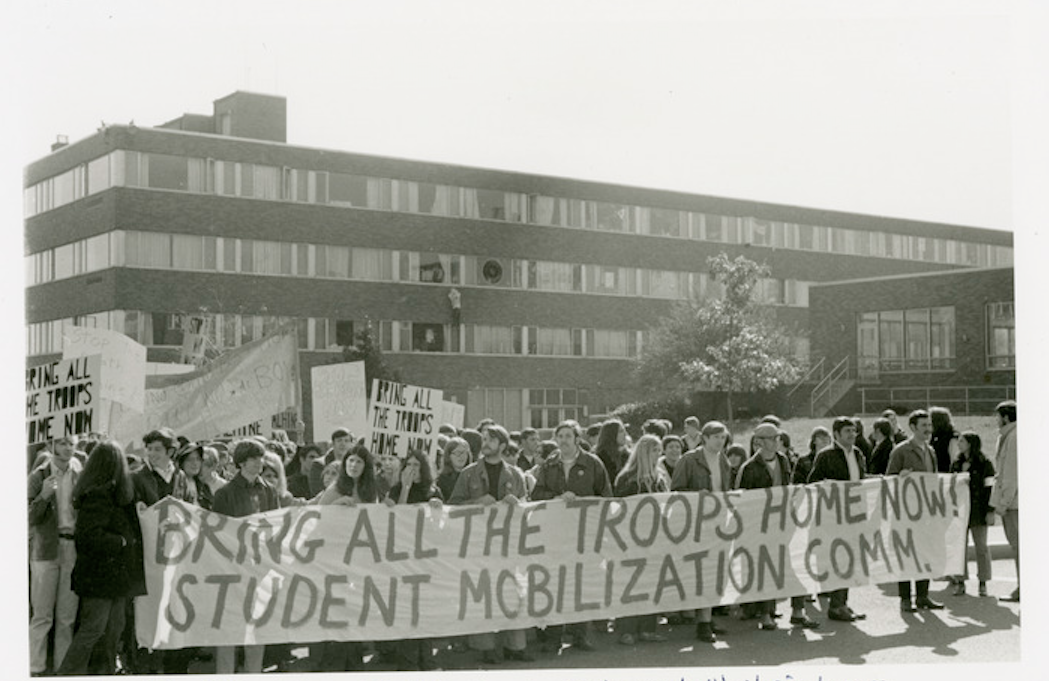
鈥淚 walked down to the Commons by myself,鈥� she said. 鈥淭here was already a long line forming. They were gathering there, and then they were going to head downtown.
鈥淚 went to the end of the line, and it just so happened that it was where the veterans 鈥� the veterans who had just come back from Vietnam 鈥� were already organizing,鈥� Davis said.
At the time, the veterans on campus had a small office in the Student Union, near the university bookstore. 鈥淵ou would see these guys, they wore the green army jackets, and they were the people who would become the Vietnam Veterans Against the War. They weren鈥檛 called that yet, but they were the makings of that group,鈥� she said.
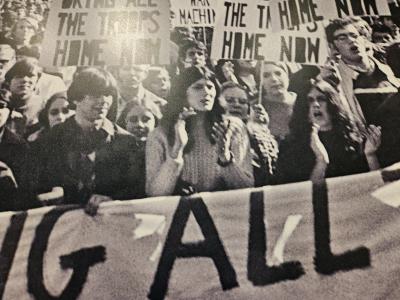
Other anti-war organizations at 海角原创 had been dissolved when the university banned the Students for a Democratic Society, one of the strongest student activist groups on campus. Davis said that the veterans at 海角原创 became the foundation of a new kind of organization. 鈥淚 went to the end of the line, I could tell that the people were those veterans that I had seen before, and one of the guys gave me a bandana with a stamp on it,鈥� she said. 鈥淚 stepped into the line behind them, and that was the first protest I participated in.鈥�
From Spring 1970 to the Opening of the May 4 Visitors Center
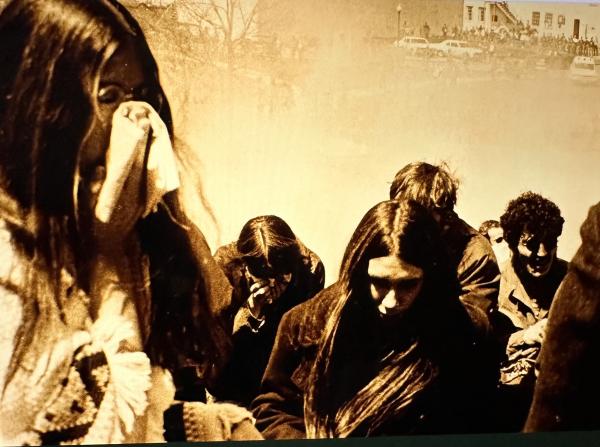
Davis was an eyewitness to the events leading up to the tragedy of May 4, 1970, at 海角原创. Like everyone on campus that day, the experience stayed with her and fueled her drive to find a way to preserve that history for future generations.
After she completed her undergraduate studies at 海角原创, she continued her studies to earn her master鈥檚 degree and then her doctorate. She joined 海角原创鈥檚 faculty, teaching a course called May 4, 1970, and Its Aftermath with Barbato. Davis also collaborated on numerous publications about May 4, including 鈥溾�� and 鈥溾��
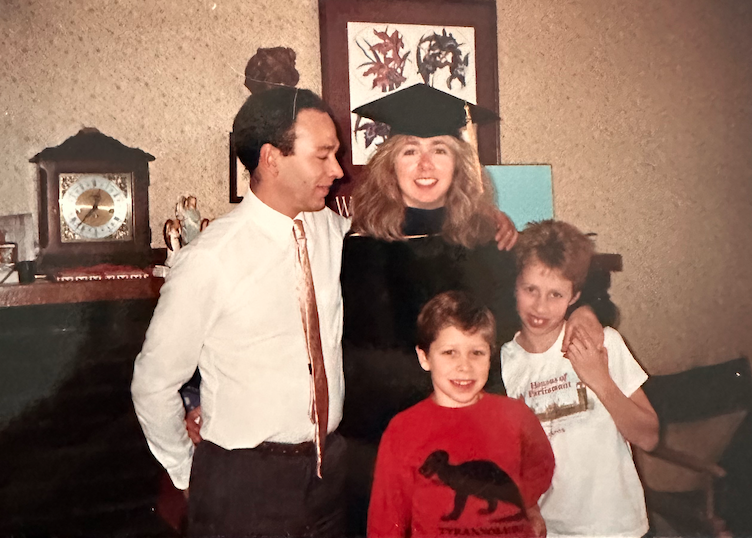
Davis was working in the Office of the Provost at 海角原创 when she began working on creating the May 4 Visitors Center. In her position in that office, she felt she was in the right place to undertake the task. 鈥淭here were so many things that were in my purview,鈥� Davis said. 鈥淚 knew everybody who had to be contacted and also what it would take.鈥�
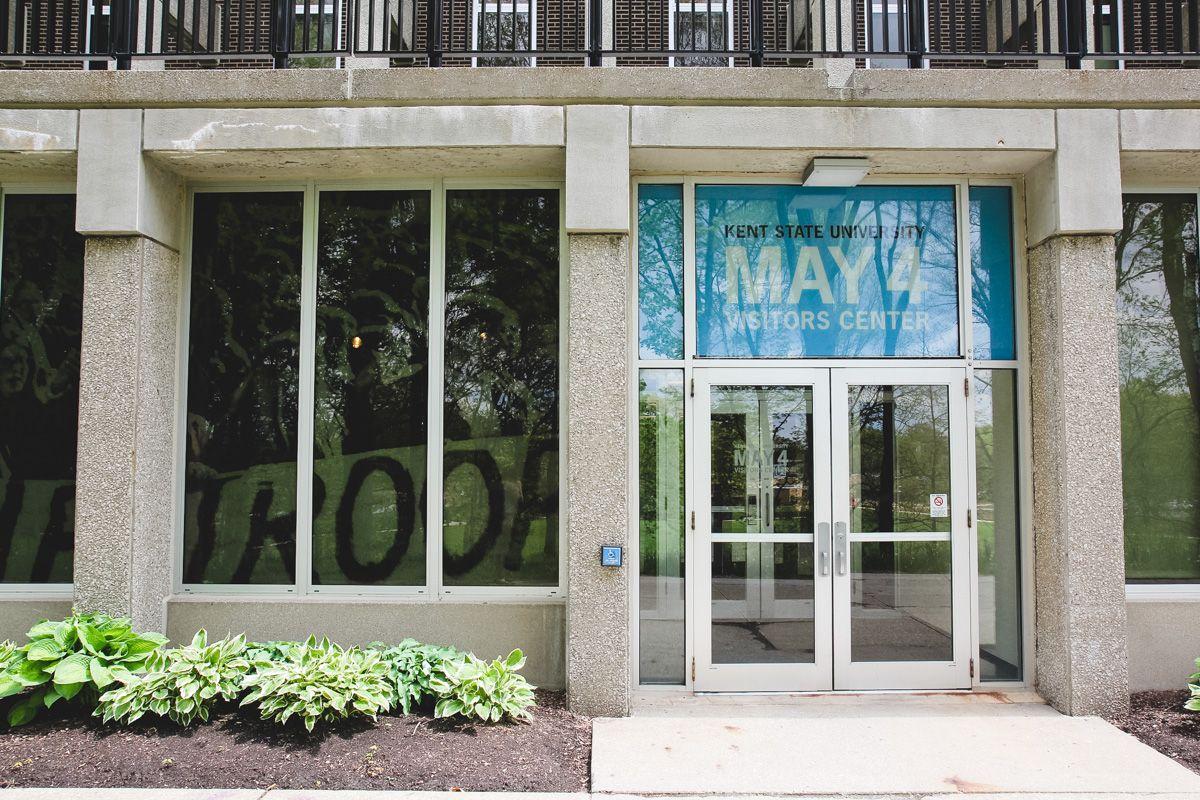
Finding the Right Space
One of the first steps to creating the May 4 Visitors Center was finding a space to house it. Davis said that process took about two years of moving people and offices in a way that would be agreeable to everyone. There were two options for the center鈥檚 location: one at the front of Taylor Hall and the other in the location that it is now, occupying the former Daily 海角原创r student newspaper鈥檚 newsroom.
鈥淓veryone working toward a May 4 Visitors Center was happy to have two good locations to choose from and decided on the location with the view from Taylor Hall over the Commons,鈥� she said. 鈥淲e felt it was a tribute to the students who had worked in that space and, thankfully, went out on May 4 to record the facts of what happened."
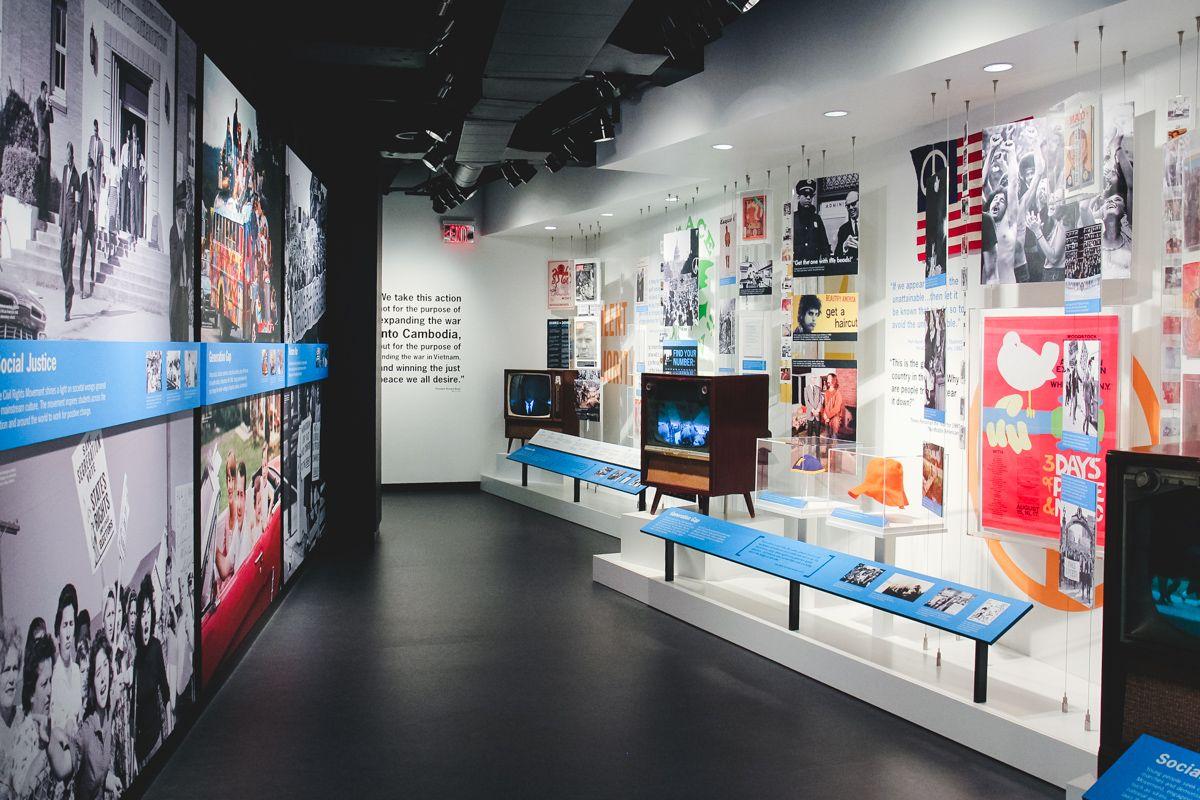
When Davis visited Washington, D.C., and toured the Holocaust Museum, what she saw there reinforced the choice of the visitors center鈥檚 home. 鈥淎t the end of the Holocaust Museum, you walk out into a large, quiet space, feeling very charged in the moment,鈥� Davis said.
鈥淭hat silence allows you to reflect on what you鈥檝e learned, what you鈥檝e witnessed,鈥� she said. 鈥淎nd I realized from that 鈥� feeling the space 鈥� that it was something really important.
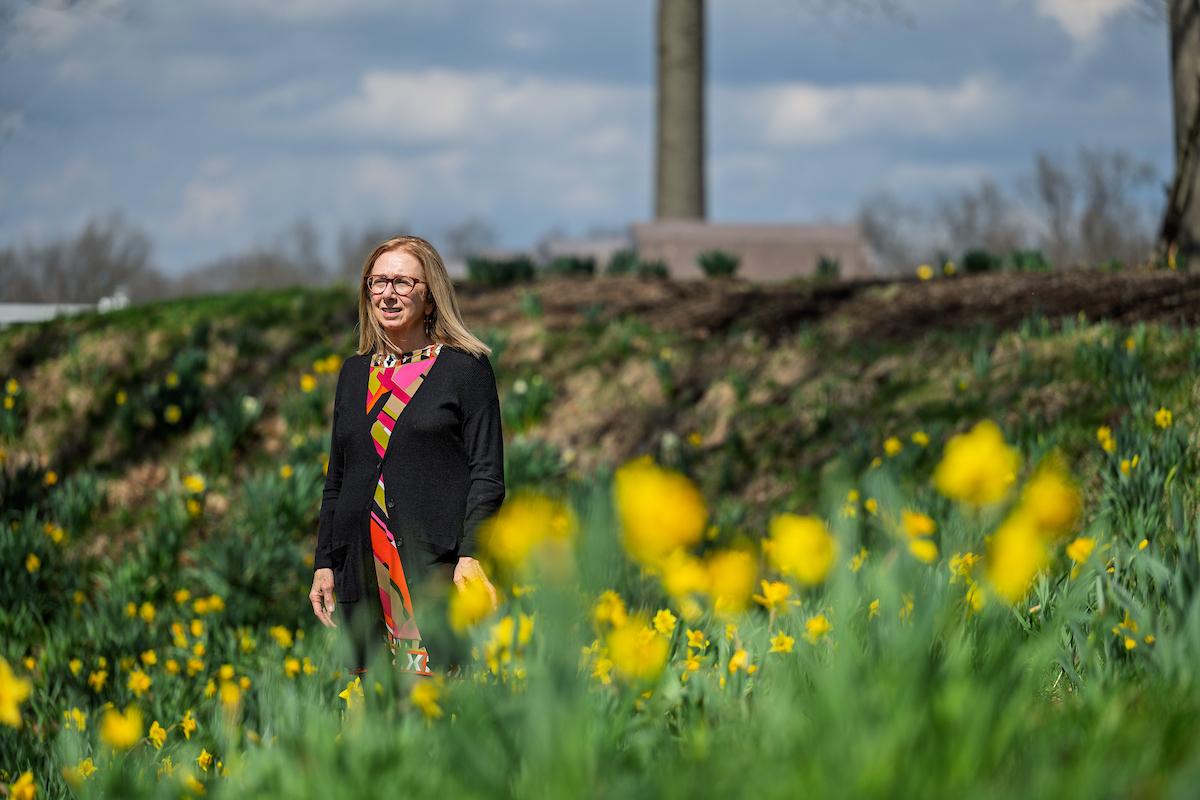
鈥淎nd I realized that if we had this location in Taylor Hall, then somebody could go out the door and go to the memorial right there, and that would be our open space, for reflection,鈥� Davis said.
The visitors center project gained momentum around the 40th annual commemoration of May 4 in 2010. Davis said that she and Barbato were waiting and working through all the starts and stops along the way. While working on her doctoral degree, Davis said she learned that you have to work on these kinds of large projects for a long, long time, and that鈥檚 where perseverance becomes important.

The Need for Perseverance
Davis sees the echoes of May 4 in the recent protests and deaths in Minnesota. She talked about this when she addressed the Summit County Historical Society after receiving its Woman of the Year Award. She talked about events from America鈥檚 history as a nation that were the prelude to May 4, like the Boston Massacre of 1770 and other historical connections. She also talked about the importance of communities.
鈥淲hat we have to do is not just protest, but we need to support the community that we鈥檙e in and other communities, because if we want to make positive change in our world with our protest, then we鈥檙e going to have to do it together,鈥� Davis said.
She said that she felt 鈥渆nergized鈥� to see large numbers of people involved in the 鈥淣o Kings鈥� protests and said that people seeking to promote positive change don鈥檛 need to travel to Washington, D.C., for every protest but can work in their communities at a grassroots level. 鈥淚 know that perseverance is going to have to be part of the process,鈥� Davis said.

鈥榃e Need to See the Pattern That We Have in Our History鈥�
鈥淚t鈥檚 incumbent upon us, and this comes from the national historic landmark wisdom 鈥� we need to see the pattern we have in our history,鈥� Davis said. 鈥淲e have to support our community, and we have to be alert. We have to look for that pattern.鈥� The patterns, she said, are the injustices that keep happening, looking back through history, all the way back to the Boston Massacre. 鈥淚f you don鈥檛 understand history, it will repeat,鈥� Davis said. 鈥淲e must remember, and we must carry on."
Davis said getting involved begins with that first step, like that first step when she joined the end of the line before the Moratorium March in October 1969.
鈥淚 would encourage anybody to take that step. If you have been thinking about something or if it just happened right then and you want to do something positive in your world, whatever it is 鈥� do it 鈥� because there are a lot of things that need to be worked on,鈥� she said.